
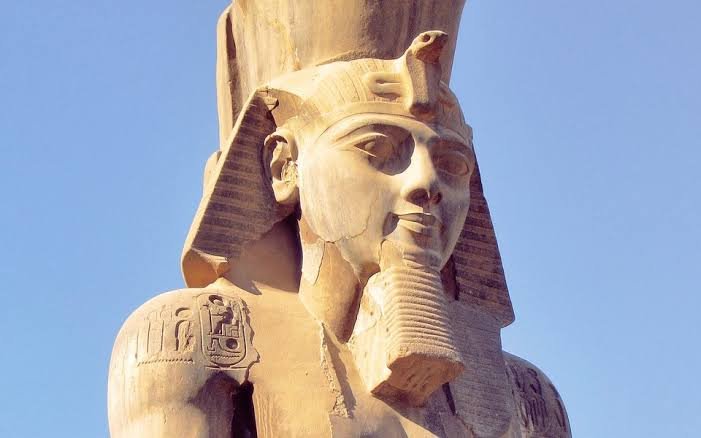
Ramses II: Egypt’s Greatest Pharaoh – 10 Fascinating Facts
Ramses II: Egypt’s Greatest Pharaoh – 10 Fascinating Facts
Who Was Ramses II?
Ramses II was one of the most powerful and influential rulers of Ancient Egypt. Known as Ramses the Great, he ruled Egypt during the 19th Dynasty for approximately 66 years, making his reign one of the longest in Egyptian history.
His extraordinary monuments, military campaigns, diplomatic achievements, and enormous building projects transformed his image into that of the ideal Egyptian king. Even thousands of years later, his statues and temples remain among the most impressive historical attractions in Egypt.
From the magnificent temples of Abu Simbel to the Ramesseum in Luxor, the legacy of Ramses II can still be experienced across the country.
For travelers interested in Ancient Egypt, understanding his life provides an excellent introduction to the power, ambition, religion, and culture of the New Kingdom.
Why Is Ramses II Considered Egypt’s Greatest Pharaoh?
Few Egyptian rulers left behind such an extensive legacy.
During his long reign, Ramses II expanded Egypt’s influence, strengthened its borders, commissioned monumental architecture, and promoted himself through inscriptions and statues throughout the kingdom.
His name appears on an extraordinary number of monuments.
However, his reputation was not based only on propaganda. His reign coincided with a period when Egypt remained a major political and military power in the eastern Mediterranean.
The scale of his construction projects also demonstrates the resources available to the Egyptian state.
1. Ramses II Had an Exceptionally Long Reign
One of the most remarkable facts about Ramses II is the length of his reign.
He became pharaoh around 1279 BC and ruled for approximately 66 years.
This gave him enough time to complete enormous construction projects, lead military campaigns, establish diplomatic relationships, and build a powerful royal legacy.
Most ancient rulers did not reign long enough to accomplish projects on such a massive scale.
Ramses II’s longevity therefore played a major role in his historical importance.
2. He Was a Major Military Leader
Ramses II inherited a kingdom that needed to protect its influence in the eastern Mediterranean.
During his early reign, he led military campaigns in regions including the Levant.
One of his most famous campaigns was the Battle of Kadesh, fought against the Hittite Empire around 1274 BC.
The battle became one of the most famous military events associated with his reign.
Egyptian inscriptions portray Ramses as a heroic warrior who fought bravely against overwhelming opposition.
Although the actual outcome was more complicated than the royal inscriptions suggest, the conflict eventually contributed to one of the earliest known major peace treaties in history.
3. The Battle of Kadesh Became Part of His Legacy
The Battle of Kadesh is particularly important when studying Ramses II.
The conflict took place near the city of Kadesh in modern-day Syria.
Ramses led an Egyptian army against the Hittite forces of King Muwatalli II.
Egyptian temple walls preserve detailed scenes describing the campaign.
These reliefs were not neutral historical reports. They were designed to celebrate the pharaoh’s courage and divine support.
Nevertheless, they provide valuable evidence about Egyptian military organization, chariots, weapons, and royal propaganda.
4. Ramses II Helped Establish a Historic Peace Treaty
After years of conflict between Egypt and the Hittites, Ramses II and the Hittite king Hattusili III eventually established a peace agreement.
The treaty is significant because surviving versions provide one of the earliest known examples of a written international peace treaty.
The agreement helped end hostilities between two major powers.
Ramses later strengthened the relationship through a diplomatic marriage with a Hittite princess.
This demonstrates that his political achievements extended beyond military campaigns.
5. Ramses II Built Abu Simbel
Perhaps the most recognizable monuments associated with Ramses II are the temples of Abu Simbel.
Located in southern Egypt near the modern border with Sudan, the temples were carved into sandstone cliffs during his reign.
Four enormous seated statues of the king dominate its facade.
The scale of Abu Simbel reflects the political and religious power that Ramses wanted to project.
Today, Abu Simbel is one of Egypt’s most spectacular archaeological destinations.
6. He Built the Ramesseum in Luxor
Another major monument associated with Ramses II is the Ramesseum.
Located on Luxor’s West Bank, the temple served as his mortuary temple.
Although much of the complex has been damaged over the centuries, its remaining columns, statues, reliefs, and architectural elements demonstrate its former grandeur.
The temple contains scenes celebrating Ramses’ military achievements and religious role.
For visitors exploring the ancient monuments of Luxor, the Ramesseum offers another important connection to the reign of Ramses the Great.
7. He Expanded Luxor and Karnak
Ramses II also contributed significantly to the monumental landscapes of Luxor and Karnak.
He added structures, statues, inscriptions, and architectural elements to existing temple complexes.
At Luxor Temple, his colossal seated statues and monumental additions remain prominent.
At Karnak, visitors can see evidence of multiple generations of Egyptian rulers, including the work of Ramses and his successors.
8. Ramses II Had a Large Royal Family
The royal family of Ramses II was exceptionally large.
He had several wives and numerous children.
His most famous principal wife was Nefertari, whose tomb in the Valley of the Queens is among the most beautifully decorated royal tombs in Egypt.
Ramses also had other important wives, including Isetnofret.
Because he lived for such a long time and had many children, several of his sons were positioned within the royal succession.
His son Merneptah eventually became pharaoh after Ramses’ death.
9. Queen Nefertari Had a Magnificent Tomb
Nefertari’s tomb, designated QV66, is located in the Valley of the Queens near Luxor.
The tomb is famous for its beautifully preserved paintings and vibrant colors.
The scenes depict Nefertari interacting with Egyptian gods and preparing for her journey into the afterlife.
The artistic quality of the tomb reflects the importance of Nefertari within the royal household.
It also demonstrates the extraordinary artistic achievements of Egypt’s 19th Dynasty.
10. Ramses II Lived to an Advanced Age
For the ancient world, Ramses II lived an exceptionally long life.
He is believed to have died at around 90 years old.
His long life meant that many of his children died before him.
This created a complicated succession situation.
After his death, his son Merneptah succeeded him.
Ramses’ exceptionally long reign and life allowed his monuments and political legacy to dominate Egypt for generations.
The Monuments of Ramses II Across Egypt
The legacy of Ramses II is not limited to one city.
His monuments can be found throughout Egypt.
Important examples include:
- Abu Simbel Temples
- Ramesseum
- Luxor Temple additions
- Karnak Temple additions
- Colossal statues
- Royal inscriptions
- Temples and monuments in the Nile Valley
This widespread building program helped establish Ramses as one of the most visible rulers in Egyptian history.
Ramses II and Ancient Egyptian Architecture
Ramses understood the political importance of architecture.
Massive temples and statues communicated power to both Egyptians and foreign visitors.
Colossal representations of the king presented him as physically powerful, divinely protected, and eternally connected with the gods.
Temple inscriptions also preserved his victories and religious achievements.
Architecture therefore became an important tool of royal communication.
What Did Ramses II Look Like?
Several statues and reliefs provide representations of Ramses II.
Like other Egyptian royal images, these representations were highly idealized.
The king was commonly shown with youthful features, an athletic body, and traditional royal clothing.
His mummy, however, provides researchers with additional information about his physical appearance and health.
Modern studies suggest that he suffered from various age-related conditions toward the end of his life.
Where Is Ramses II Buried?
Ramses II was originally buried in the Valley of the Kings in tomb KV7.
Like many royal tombs in the valley, the burial was eventually disturbed.
His mummy was later moved and was discovered in the famous royal cache at Deir el-Bahari.
Today, the mummy provides valuable evidence about the famous pharaoh and his physical condition.
Ramses II’s Legacy in Modern Egypt
The legacy of Ramses II continues to attract millions of travelers interested in Ancient Egyptian history.
His monuments remain major tourist attractions, while his name appears throughout museums, archaeological sites, books, documentaries, and historical studies.
Abu Simbel, the Ramesseum, Luxor Temple, and other sites associated with his reign form an important part of Egypt’s historical tourism.
For anyone exploring the history of the pharaohs, Ramses represents one of the clearest examples of how royal power was expressed through architecture, warfare, religion, and diplomacy.
Frequently Asked Questions
Who was Ramses II?
Ramses II was a powerful Egyptian pharaoh of the 19th Dynasty who ruled for approximately 66 years during the New Kingdom.
Why was Ramses II called Ramses the Great?
He earned the modern title because of his exceptionally long reign, military campaigns, diplomatic achievements, and enormous building program.
What did Ramses II build?
His major projects included the temples of Abu Simbel and the Ramesseum, as well as important additions to Luxor and Karnak temples.
Was Ramses II at the Battle of Kadesh?
Yes. Ramses personally led the Egyptian army during the Battle of Kadesh against the Hittites.
Who was Ramses II’s most famous wife?
Queen Nefertari was his most famous principal wife. Her beautifully decorated tomb remains one of the highlights of the Valley of the Queens.
How long did Ramses II rule Egypt?
Ramses II ruled for approximately 66 years, one of the longest reigns in Ancient Egyptian history.
How old was Ramses II when he died?
He is generally believed to have died at approximately 90 years old.
Where can travelers see monuments built by Ramses II?
Major monuments associated with Ramses can be visited at Abu Simbel, Luxor, Karnak, and the Ramesseum on Luxor’s West Bank.
Conclusion
Ramses II remains one of the most extraordinary figures in Ancient Egyptian history. His nearly seven-decade reign allowed him to shape Egypt through military campaigns, diplomacy, religion, and monumental construction.