
25 Amazing Historical Places in Egypt You Must Visit: Ultimate Guide
Ultimate Guide
Historical Places in Egypt is one of the world’s greatest destinations for travelers interested in history, archaeology, and ancient civilizations. From enormous pyramids and mysterious royal tombs to magnificent temples and historic cities, the country preserves an extraordinary collection of monuments spanning thousands of years.
The Historical Places in Egypt offer a fascinating journey through the achievements of ancient pharaohs, powerful dynasties, religious traditions, and remarkable architectural developments. Every monument tells a different story, allowing visitors to understand how Egyptian civilization developed along the Nile River.
Whether you are visiting Egypt for the first time or returning to explore more of its archaeological treasures, knowing which destinations deserve priority can help you create a memorable itinerary. This guide highlights 25 remarkable sites across Cairo, Giza, Luxor, Aswan, Alexandria, and other parts of Egypt.
Why Visit the Historical Places in Egypt?
Few countries can match Egypt’s concentration of ancient monuments. Over more than three millennia, successive rulers built pyramids, temples, tombs, statues, palaces, and religious complexes that continue to attract travelers from around the world.
Many major attractions are located along the Nile Valley, making it possible to visit several important archaeological sites during one journey. Travelers can explore the pyramids near Cairo, discover royal tombs in Luxor, cruise toward Aswan, and continue south to the spectacular temples of Abu Simbel.
These Historical Places in Egypt are also important sources of information about ancient religion, government, engineering, art, medicine, and daily life.
The 25 Must-Visit Historical Places in Egypt
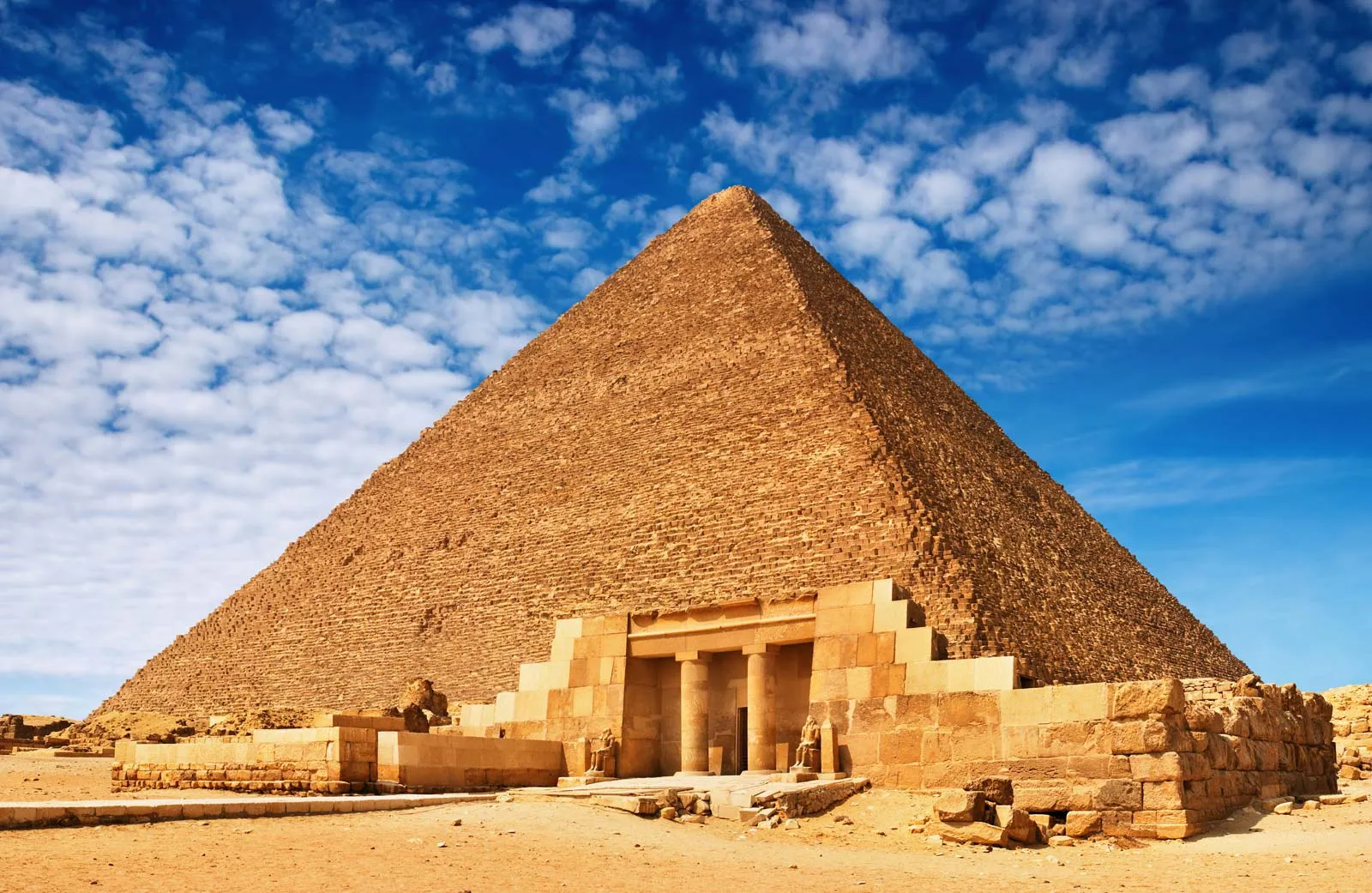
1. Great Pyramid of Giza
The Great Pyramid of Giza is Egypt’s most famous monument and the only surviving Wonder of the Ancient World. Built for Pharaoh Khufu during the Old Kingdom, it demonstrates the extraordinary engineering capabilities of ancient Egyptian builders.
2. Great Sphinx of Giza
The Great Sphinx stands beside the pyramids and combines the body of a lion with the head of a human ruler. Its enormous scale and mysterious history make it one of the country’s most recognizable landmarks.
3. Valley of the Kings
Located on Luxor’s West Bank, the Valley of the Kings served as a royal burial ground during the New Kingdom. More than 60 tombs have been identified, including the famous tomb of Tutankhamun.
4. Karnak Temple
Karnak is one of the largest religious complexes ever developed in Ancient Egypt. Its enormous Hypostyle Hall, columns, obelisks, and inscriptions demonstrate centuries of architectural and religious development.
5. Luxor Temple
Luxor Temple was closely connected with royal ceremonies and religious festivals. Its monumental entrance, statues, and columns create an impressive atmosphere, particularly after sunset.
6. Temple of Hatshepsut
Built against the cliffs of Deir el-Bahari, the Temple of Hatshepsut is one of Luxor’s most distinctive monuments. It celebrates one of Egypt’s most influential female pharaohs.
7. Abu Simbel Temples
The temples of Abu Simbel were commissioned by Ramses II and are famous for their enormous statues carved into the mountainside. Their relocation during the twentieth century is one of the world’s most impressive archaeological preservation projects.
8. Philae Temple
Located near Aswan, Philae Temple was dedicated primarily to the goddess Isis. Its island setting, elegant reliefs, and beautiful Nile surroundings make it one of the most scenic ancient monuments in Egypt.
9. Edfu Temple
The Temple of Horus at Edfu is among the best-preserved ancient temples in Egypt. Its huge pylons and detailed reliefs provide valuable insight into Ptolemaic religious traditions.
10. Kom Ombo Temple
Kom Ombo is unusual because the temple was dedicated to two deities: Horus the Elder and Sobek. Its symmetrical design and collection of crocodile mummies make it a fascinating stop between Luxor and Aswan.
11. Saqqara Step Pyramid
The Step Pyramid of Djoser at Saqqara represents an important stage in the development of pyramid architecture. Designed by the famous architect Imhotep, it is one of Egypt’s most significant early monuments.
12. Memphis Open-Air Museum
Memphis was an important ancient capital and political center. Today, visitors can explore archaeological remains and impressive statues at the open-air museum.
13. Dendera Temple Complex
The Temple of Hathor at Dendera is famous for its beautifully preserved reliefs, decorated ceilings, and astronomical imagery. It provides a fascinating example of later Egyptian temple architecture.
14. Abydos Temple of Seti I
Abydos was one of Ancient Egypt’s most important sacred centers. The Temple of Seti I contains beautifully detailed reliefs and inscriptions connected with Egyptian religion and royal history.
15. Colossi of Memnon
The Colossi of Memnon are two enormous stone statues standing on Luxor’s West Bank. They once guarded the entrance to a vast mortuary temple associated with Pharaoh Amenhotep III.
16. Ramesseum
The Ramesseum was the mortuary temple of Ramses II. Although much of the complex has fallen into ruin, its remaining columns, reliefs, and colossal statues provide a fascinating glimpse into the reign of one of Egypt’s most famous pharaohs.
17. Medinet Habu Temple
Medinet Habu is one of the best-preserved temple complexes on Luxor’s West Bank. Built primarily for Ramses III, its walls contain detailed reliefs depicting battles, religious ceremonies, and royal achievements.
18. Tomb of Tutankhamun
The tomb of Tutankhamun in the Valley of the Kings became world-famous after its discovery in 1922. Its discovery revealed an extraordinary collection of royal treasures and dramatically increased global interest in Ancient Egypt.
19. Egyptian Museum in Cairo
The Egyptian Museum houses an enormous collection of artifacts representing different periods of Egyptian history. Visitors can see statues, jewelry, mummies, papyri, and other objects that help explain ancient Egyptian civilization.
20. Grand Egyptian Museum
The Grand Egyptian Museum provides a modern setting for exploring Egypt’s archaeological heritage. Its extensive collections and location near the Giza Plateau make it an important addition to a historical itinerary.
21. Catacombs of Kom El Shoqafa
Located in Alexandria, the Catacombs of Kom El Shoqafa demonstrate the cultural interaction between Egyptian, Greek, and Roman traditions. The underground complex contains tombs, chambers, sculptures, and architectural features from different influences.
22. Citadel of Saladin
The Citadel of Saladin in Cairo represents a later chapter of Egyptian history. Built as a medieval defensive complex, it offers panoramic views across the city and provides insight into Cairo’s Islamic heritage.
23. Mosque of Muhammad Ali
Located within the Citadel, the Mosque of Muhammad Ali is one of Cairo’s most recognizable Islamic landmarks. Its large domes, elegant interior, and prominent position make it a memorable part of historic Cairo.
24. Saint Catherine’s Monastery
Saint Catherine’s Monastery lies in the mountainous region of South Sinai and has been an important religious and cultural center for centuries. Its historic library, manuscripts, icons, and surrounding landscape make it a unique destination.
25. Wadi Al-Hitan
Wadi Al-Hitan, or Whale Valley, offers a completely different perspective on Egypt’s ancient past. Located in the Western Desert, the UNESCO-listed site contains fossilized remains of prehistoric whales and provides important evidence about the evolution of these marine mammals.
How to Plan a Historical Egypt Itinerary
A well-planned route can help you experience many of the country’s major attractions without unnecessary travel.
Cairo and Giza
Begin with the pyramids, Sphinx, museums, Saqqara, and Memphis. Historic Cairo can then add a later chapter of Egyptian history to your journey.
Luxor
Spend at least two days exploring the East and West Banks. Include Karnak, Luxor Temple, the Valley of the Kings, Hatshepsut Temple, and Medinet Habu.
Aswan
Explore Philae Temple and continue toward Abu Simbel if your schedule allows. Edfu and Kom Ombo can be included during a Nile cruise.
Alexandria
Travel north to discover the city’s Greco-Roman heritage, including the Catacombs of Kom El Shoqafa and other historic attractions.
Best Time to Explore Egypt’s Historical Sites
The cooler months from October to April are generally more comfortable for visiting outdoor archaeological sites. Early mornings are especially useful for attractions such as Giza and the Valley of the Kings.
During warmer periods, carry plenty of water, use sun protection, and schedule outdoor sightseeing during the cooler parts of the day.
Tips for Visiting Historical Sites
- Wear comfortable walking shoes.
- Carry drinking water and sunscreen.
- Start outdoor sightseeing early.
- Allow enough time at major archaeological complexes.
- Consider hiring a qualified guide.
- Check opening times before visiting.
- Respect photography and monument regulations.
Frequently Asked Questions
What are the most famous Historical Places in Egypt?
The Great Pyramid of Giza, Great Sphinx, Valley of the Kings, Karnak Temple, Luxor Temple, and Abu Simbel are among the country’s most famous historical attractions.
How many days do I need to visit Egypt’s historical sites?
A seven- to ten-day trip can provide a good introduction to Cairo, Luxor, Aswan, and Abu Simbel. Travelers with more time can add Alexandria, Dendera, Abydos, and other destinations.
What is the best historical destination in Egypt?
Luxor is one of the best choices for travelers who want to see a large concentration of ancient temples and royal tombs. Cairo and Giza are essential for first-time visitors.
Are all historical sites in Egypt related to the pharaohs?
No. Egypt’s heritage extends far beyond the pharaonic period. Visitors can also explore Greek, Roman, Christian, Islamic, and prehistoric sites.
Conclusion
The Historical Places in Egypt offer an extraordinary journey through thousands of years of human history. From the pyramids and Sphinx of Giza to the temples of Luxor and Aswan, Egypt preserves an astonishing variety of monuments and archaeological treasures.
A successful historical journey should combine the country’s most famous landmarks with lesser-known sites. By exploring different periods and regions, travelers can gain a deeper understanding of Egypt’s remarkable cultural heritage.
Whether you are interested in pharaohs, ancient temples, royal tombs, Roman history, Islamic architecture, or prehistoric discoveries, these 25 destinations provide an excellent foundation for an unforgettable Egyptian adventure.